Pernille Schou Jørgensen
01
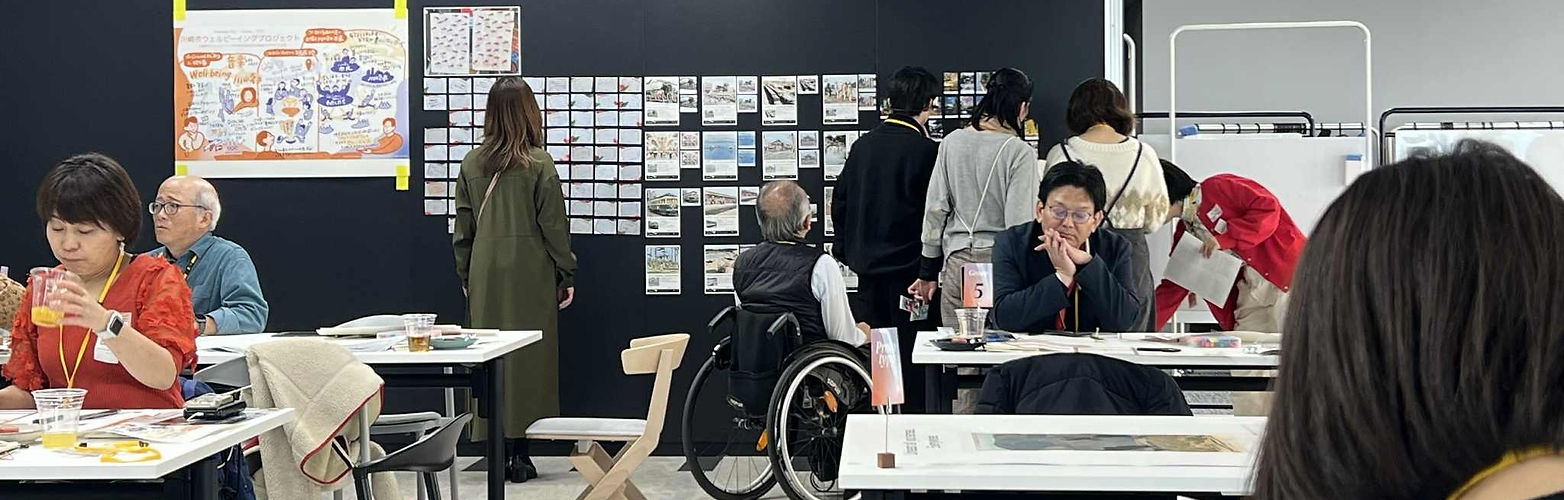
Field study in Japan
Collaborative design processes
PROJECT
Focus Participation and use of materials in design processes
Project at IT University of Copenhagen
Project from 2024
Introduction
During a three month field study in Japan, I explored how participation unfolds in collaborative design situations and how materials can support participation. In Japan participation are shaped by strong cultural and hierarchical structures. Dynamics that are particularly visible and explicit in Japan. The experience challenged my assumptions about collaboration til design situations. Even in Denmark, where collaboration is often perceived as democratic, with people freely speaking their minds, hidden hierarchies continue to shape participation. Ignoring these dynamics risks excluding voices, even in well intentioned collaborative design processes.
This gave me strong insights into how engagement, trust and real voices are influeced by context and how I as a UX Designer can actively work with these dynamics to ensure meaningful participation rather than symbolic involvement.
My studies in Japan introduced me to cultural perspectives on materials that extend beyond their functional properties. Seeing how materials can be reinterpreted, given new life, and understood through their symbolic valu, an approach deeply rooted in Japanese culture, broadened my perspective on design. It strengthened my understanding of how thoughtful material choices can support more empathetic and meaningful design outcomes.
A Perspective that stayed with me
Participation in collaborative design processes must be designed for - not assumed.
Research
Interviews
With 5 Japanese designers
Eriko - Social designer from Kawasaki
Tatsuya - UI Designer from Fujitsu
Yu - Sustainability Designer
Mika - Researcher at Roskilde Universitet
Aya, Ayane, Yukie - Designers focusing on co-design

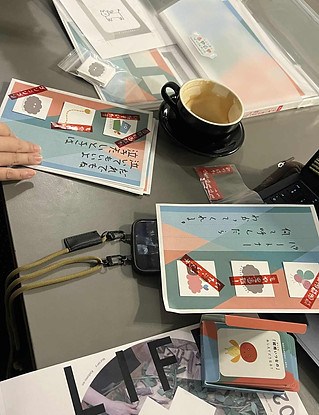
Workshop observation
Workshop Fujitsu x Kawasaki City
Focus: Imagine the future of Kawasaki City
Literature review

Key research insights
That have shaped how I think and work as a UX Designer
01
A balance between individualism and collectivism is essential in collaborative design processes to ensure democratic dialouge and individual voices and perspectives in creation of design solutions.
04
Being aware og hierarchy and culture affects social dynamics, why it is essential as a UX Designer to be aware of when facilitating collaborative design situations.
02
Selecting participants in the design process also means excluding others, which requires a careful consideration of who is invited in order to create an inclusive design.
05
Using materials that have a symbolic meaning or is familiar to the user in a workshop.
03
Sustainable thinking - reincarnation in materials, making people emphasize with nature, materials and non-human objects.
How do I ensure participation, tacit knowledge and real voices in collaborative design situations?
I pay close attention to social dynamics - who speaks and who doesn’t
Being mindful of social structures and cultural conditions when planning a design workshop or meeting is crucial. By carefully considering these factors when selecting design approaches and materials, you can reduce potential risks that might otherwise lead to decreased participant engagement. Additionally, this sensitivity can foster a more inclusive environment that not only encourages greater participation but also enhances the potential for innovative ideas to emerge. Ultimately, an informed and thoughtful approach to these elements can significantly contribute to the overall success and creativity of the workshop.
I aim to create research and design spaces where participation feels safe and inclusive
I aim to create and design collaborative spaces where participation feels safe and inclusive by meeting participants with empathy and an understanding of their different needs, backgrounds, and positions. My field research highlighted how trust, framing, and facilitation are essential for participants to feel comfortable contributing — especially in settings shaped by hierarchy or strong social norms.
I use carefully chosen materials to surface tacit
knowledge
Materials used in a design workshop can significantly influence its effectiveness, either by limiting participants’ creativity or by acting as a catalyst for innovative thinking. Choosing the right materials is therefore crucial. When selected thoughtfully, materials can enhance engagement and contribute to a supportive and creative environment. This careful selection process helps ensure that the workshop not only fosters a dynamic and collaborative atmosphere but also maximizes the potential for generating valuable and inventive ideas.
I aim to create a creative and fun design space to challenge mindsets, while respecting the users and company needs at hand
By introducing playfulness and creative energy into the design space, I seek to challenge existing mindsets and open new perspectives, while remaining attentive to user needs and organisational realities. For me, playfulness is not about being lighthearted for its own sake, but about creating energy, curiosity, and openness — balanced with responsibility towards the challenge at hand.